
Why Surface Finish Matters in Bearing Inner Ring Grinding
The performance and durability of bearings depend heavily on the surface finish of the inner ring track. A smoother and more precise surface reduces friction, improves load distribution, and enhances overall bearing life.
In modern manufacturing, bearing producers are required to achieve tighter tolerances while simultaneously reducing production costs. This makes track grinding a critical process in ensuring both quality and efficiency.
What Challenges Do Manufacturers Face in Track Grinding
Bearing manufacturers face increasing demands in:
- Achieving superior surface finish
- Maintaining dimensional accuracy
- Reducing thermal damage (burns)
- Minimizing wheel wear and dressing frequency
As highlighted in the brochure, the industry focus is not only on quality improvement but also on cost optimization during grinding operations.
How IR Track Grinding Improves Surface Quality
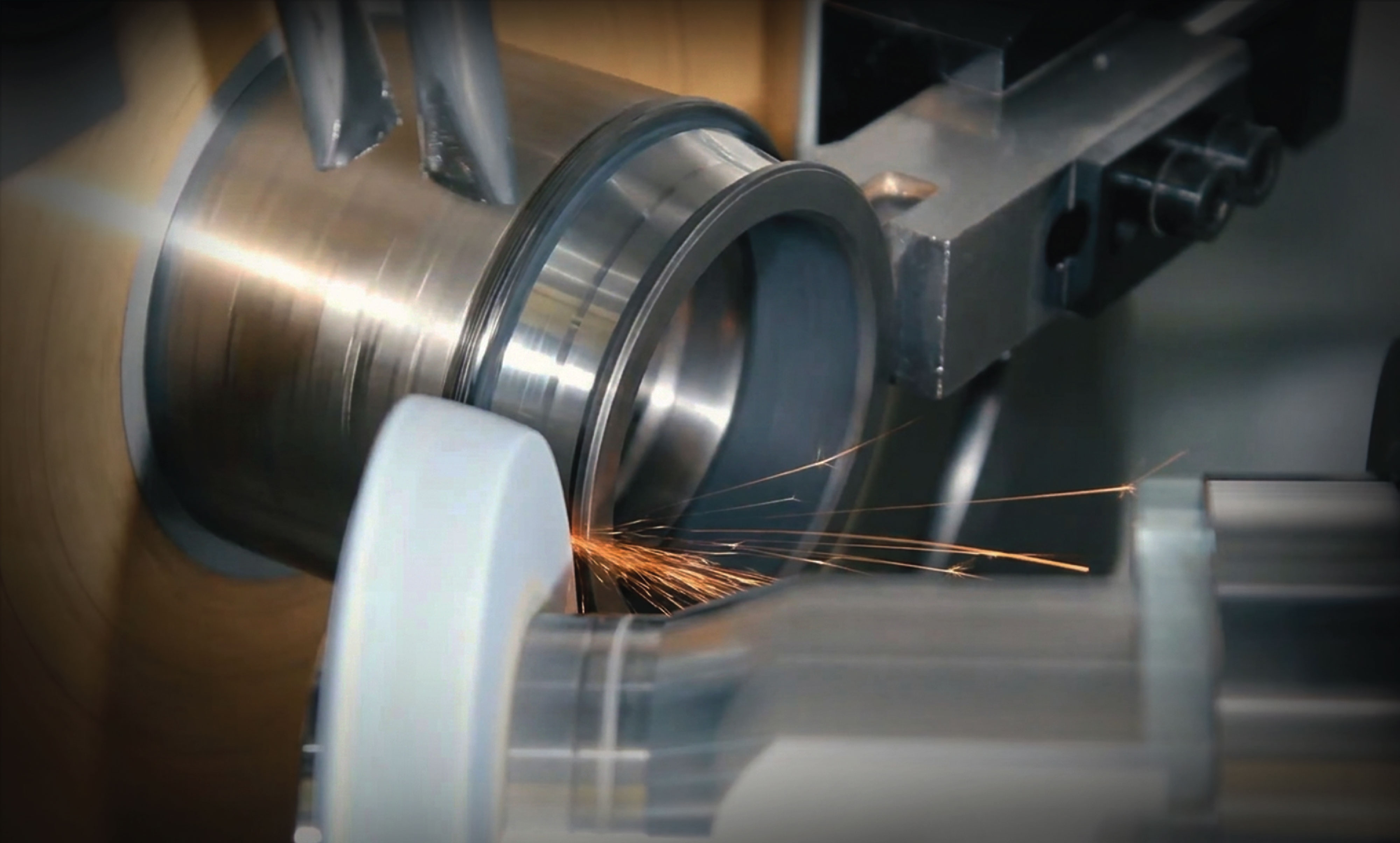
Inner ring track grinding is a precision process designed to refine the raceway surface of bearing components.
Using engineered grinding wheels, manufacturers can:
- Achieve uniform surface finish
- Maintain profile accuracy
- Reduce surface defects
- Improve component reliability
This process ensures that the bearing performs efficiently under high load and speed conditions.
What Makes Advanced Grinding Wheels More Effective
Grinding performance depends on abrasive technology, bond systems, and wheel structure.
According to the brochure, advanced grinding wheels incorporate the following:
- Engineered microstructure grains for consistent cutting
- Advanced grain technology for improved material removal
- Krystal bond system for better form holding and safety
- Optimized structure for reduced grinding residues
These features directly impact grinding efficiency and surface quality.
Key Benefits of Optimized Track Grinding Solutions
Using the right grinding wheel configuration delivers measurable operational advantages:
- Profile holding and form retention
- Reduced dressing frequency
- Burn-free grinding results
- Longer wheel life
- Customization based on application
These benefits help manufacturers achieve both quality improvement and cost reduction simultaneously .
What Technical Parameters Influence Grinding Performance
Several technical parameters determine grinding efficiency:
- Wheel hardness
- Structure
- Bond type
- Operating speed
These parameters must be aligned with application requirements to achieve consistent results.
Practical Considerations for Better Grinding Outcomes
To improve grinding performance:
- Use wheels with stable form retention
- Reduce unnecessary dressing cycles
- Ensure proper cooling to avoid burns
- Select the right bond system for application
These practices help maintain process stability and improve productivity.
Expert Insight: Why Wheel Technology Impacts Cost and Quality
Advanced grinding wheels reduce operational inefficiencies by maintaining consistent cutting performance over longer cycles. This minimizes downtime, reduces dressing frequency, and improves output quality.
As a result, manufacturers can achieve the following:
- Lower cost per component
- Improved process consistency
- Better surface integrity
This makes abrasive selection a critical factor in modern bearing manufacturing.
About the Author
Ashish Kumar Gupta
Global Bearing Segment Manager, CUMI

Ashish Kumar Gupta brings over 15 years of specialized expertise in bearing grinding processes to his role as CUMI’s Global Bearing Segment Manager. With qualifications in Mechanical Engineering (BE), Operations Management (MBA), and Quality Management Systems (M.Tech), Ashish combines engineering knowledge with practical manufacturing experience.
As a former member of SKF’s grinding community and subject matter expert in grinding and honing processes, Ashish has led over 20 successful grinding optimization projects across major bearing manufacturers. His systematic approach to process improvement has delivered measurable results: 10% cycle time reduction, 20% productivity improvements, and 20% cost per component savings for clients worldwide.
Connect with Ashish: LinkedIn Profile