

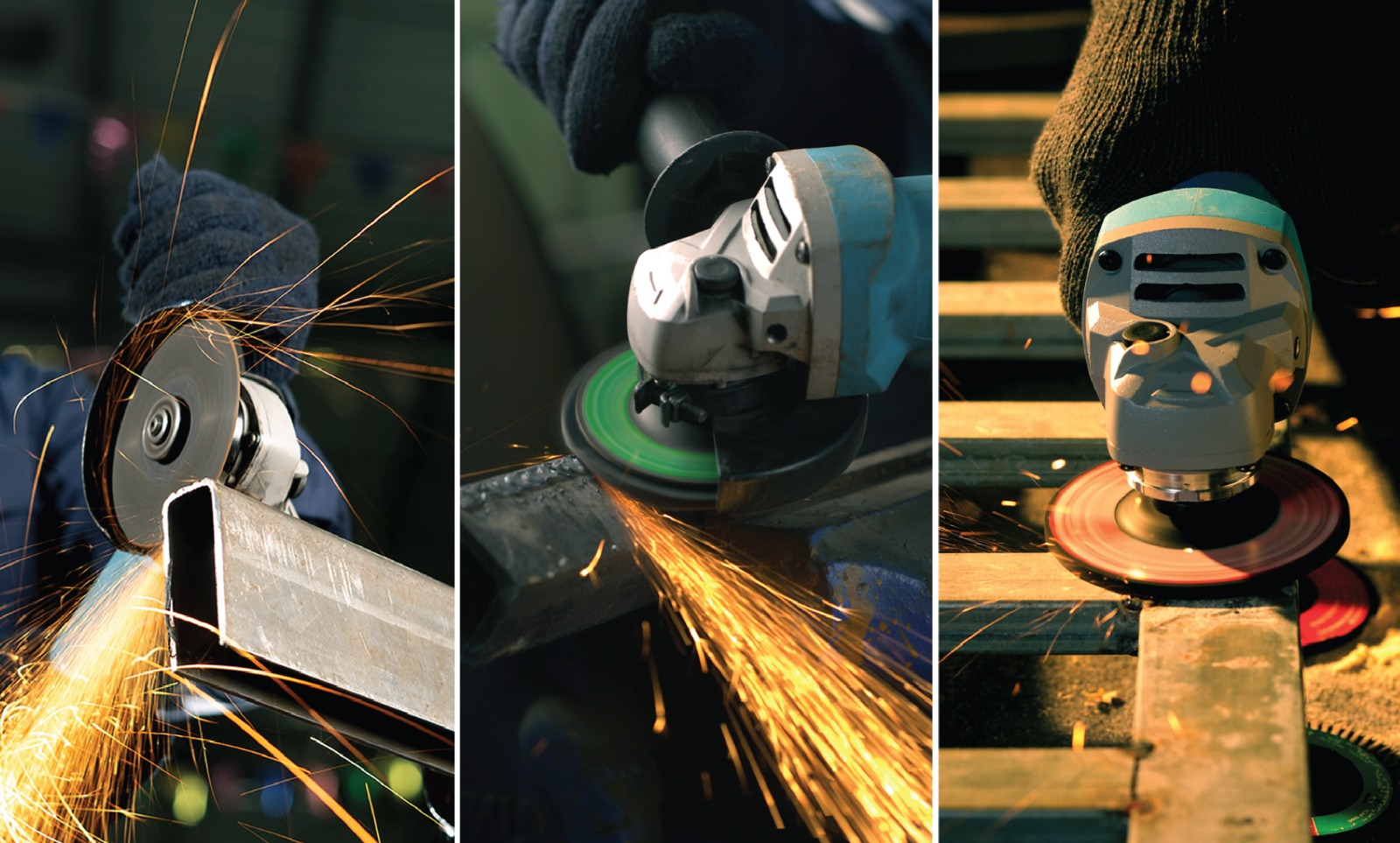
Steel plants and metal fabrication operations rely on cutting, grinding, deburring, and surface preparation activities at multiple stages of production. Whether processing raw steel, fabricating structural components, or preparing surfaces for finishing, efficient material processing plays an important role in maintaining productivity and quality.
Although abrasives are often considered consumable tools, selecting the right abrasive solution can influence throughput, process consistency, equipment utilization, and overall manufacturing efficiency. As steel manufacturing becomes increasingly data-driven and performance-focused, abrasive selection is emerging as an important contributor to operational excellence.
Where Are Abrasives Used in Steel Plants and Metal Fabrication?
Abrasive products support a wide range of manufacturing activities throughout steel processing and fabrication operations.
Typical applications include the following:
- Cutting steel plates, pipes, and sections
- Weld preparation and weld removal
- Surface grinding and finishing
- Deburring and edge preparation
- Surface preparation before coating and painting
- Finishing fabricated components
- Maintenance and repair operations
Different manufacturing stages require different abrasive solutions because each process places unique demands on material removal, finish quality, and productivity.
Why Is Efficient Material Processing Important in Steel Manufacturing?
Steel plants and fabrication operations often work within demanding production schedules where even small inefficiencies can affect downstream processes.
Efficient material processing helps manufacturers:
- Maintain production flow
- Reduce bottlenecks
- Improve component quality
- Minimise rework
- Support predictable production schedules
The abrasive products selected for cutting, grinding, and finishing activities directly influence how efficiently these objectives can be achieved.
How Do Abrasives Support Cutting Operations?
Cutting operations are fundamental to steel processing and fabrication. Steel plates, structural sections, pipes, and fabricated components often require precise and controlled cutting.
Key objectives include:
- Accurate material separation
- Reduced material wastage
- Consistent cutting performance
- Efficient processing times
Suitable cutting solutions help manufacturers process materials more efficiently while supporting dimensional accuracy and production requirements.
Why Does Grinding and Surface Preparation Matter?
Grinding and surface preparation are critical for ensuring component quality and readiness for subsequent manufacturing processes.
Typical objectives include the following:
- Removing excess material
- Levelling surfaces
- Preparing components for coating
- Improving finish consistency
- Supporting assembly and fabrication activities
Surface preparation often influences downstream processes such as welding, painting, and final assembly. Consistent grinding performance therefore contributes to both product quality and process efficiency.
Why Is Deburring Important in Metal Fabrication?
Fabricated components frequently require deburring and edge finishing to achieve the desired quality standards.
Deburring activities help:
- Remove sharp edges
- Improve component appearance
- Prepare surfaces for assembly
- Support handling and finishing operations
- Improve consistency across fabricated parts
Efficient deburring processes can reduce additional processing requirements and support smoother production workflows.
Why Does Abrasive Selection Affect Productivity?
Manufacturing efficiency depends on maintaining process consistency and minimizing unnecessary interruptions.
Selecting application-specific abrasive solutions can help:
- Reduce rework and scrap generation
- Improve process repeatability
- Minimise interruptions caused by frequent tool changes
- Improve throughput
- Support better utilisation of labour and equipment
For fabrication shop owners, these improvements can contribute to higher productivity and more efficient operations. For plant managers and production teams, they can support predictable manufacturing schedules and more consistent operational performance.
Common Challenges in Steel Plants and Fabrication Shops
Several operational challenges are influenced by material processing efficiency.
Challenge | Potential Operational Impact |
Frequent wheel changes | Increased downtime |
Inconsistent surface finishes | Additional processing requirements |
Excessive rework | Reduced productivity |
Surface defects | Quality variation |
Material wastage | Increased manufacturing costs |
Production interruptions | Delays in downstream processes |
Addressing these challenges often requires selecting abrasive solutions that align with the specific manufacturing application.
How Is Industry 4.0 Changing Steel Manufacturing?
Steel manufacturing is increasingly adopting digital technologies, automation, and data-driven decision-making practices. Success is no longer measured solely by production volumes but also by efficiency, repeatability, and operational performance.
Modern manufacturing environments increasingly focus on the following:
- Higher Overall Equipment Effectiveness (OEE)
- Reduced unplanned downtime
- Better process consistency
- Lower rework and scrap generation
- Improved resource utilisation
- Predictable production outcomes
These objectives closely align with the principles of Industry 4.0, where manufacturing processes are continuously evaluated and optimized for performance and efficiency.
How Can Abrasive Selection Support Industry 4.0 Manufacturing Objectives?
In connected and performance-driven manufacturing environments, abrasive products are increasingly viewed as contributors to process efficiency rather than simply consumables.
Selecting application-specific abrasive solutions can help:
- Improve process consistency across production batches
- Reduce interruptions caused by frequent abrasive changes
- Support efficient utilisation of equipment and manpower
- Minimise rework and material wastage
- Contribute to more predictable manufacturing outcomes
Even small improvements in material processing efficiency can influence broader operational goals such as productivity, quality, and resource optimization.
Conclusion
Cutting, grinding, deburring, and surface preparation activities directly influence manufacturing efficiency in steel plants and metal fabrication operations. Because these activities affect both product quality and production performance, abrasive selection has become an important operational consideration.
As steel manufacturing continues to evolve toward more connected and performance-driven operations, selecting the right abrasive solutions increasingly contributes to productivity, process consistency, and efficient resource utilization. In modern manufacturing environments, abrasive selection is no longer simply a tooling decision—it is an important element of achieving reliable and efficient manufacturing performance.