

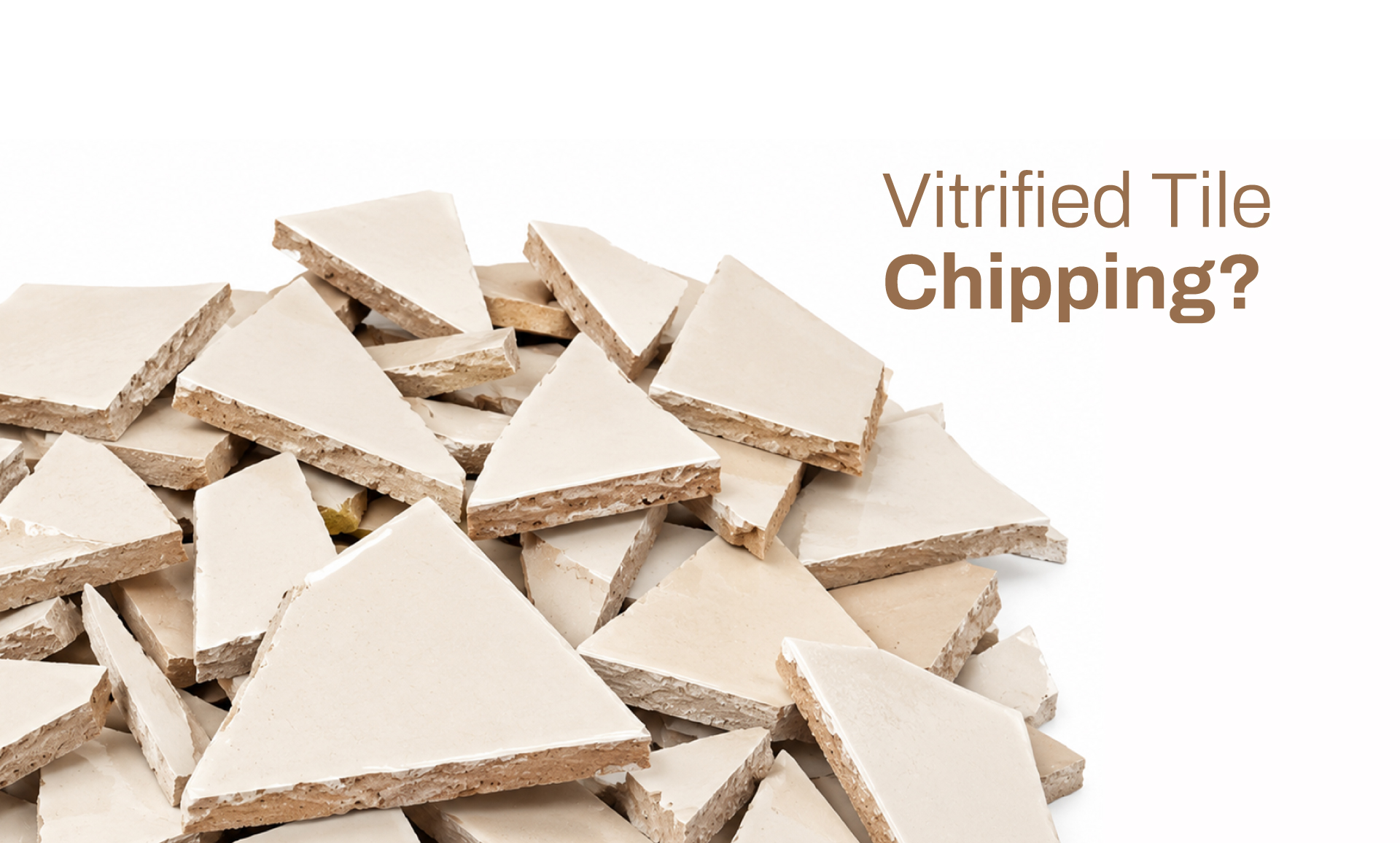
Quick answer: Vitrified tiles chip when you cut them because they are very hard, dense and brittle, so any blade that is too thick, too coarse, dull or wobbling puts stress on the glazed edge and breaks small pieces off. Using the wrong blade, such as a granite or segmented blade, and pushing the cutter too fast make chipping much worse. The fix is a thin, continuous rim diamond blade made for ceramics. The CUMI Speed Ceramic narrow cut blade uses fine diamond grit and a zero chipping design on a stiff blade body, so it cuts vitrified, porcelain and ceramic tiles smoothly with clean, chip-free edges, saving tiles, time and money on every job.
Why Do Vitrified Tiles Chip So Easily?
If you’ve ever cut a costly vitrified tile only to find a broken, jagged edge, you know how frustrating it is. Chipped tiles mean wasted material, extra cost and poor-looking joints that customers notice straight away. To fix the problem, it helps to understand why vitrified tiles chip in the first place:
- They are extremely hard and dense. Vitrified tiles are made by firing clay and minerals at very high temperatures until they become glass-like. This makes them strong and water-resistant, but also brittle. Hard, brittle materials crack easily when the blade puts uneven pressure on the edge.
- The wrong blade is being used. Many tile fitters use the same blade for granite, marble and tiles. Granite and segmented blades have coarse diamonds and gaps in the rim, which hit the tile surface like small hammers and knock chips off the glazed face.
- The blade is too thick. A thick blade removes more material and needs more force to push through the tile. That extra force creates more stress at the cutting edge, which leads to chipping, especially on the top glazed surface.
- The blade is dull or glazed. A worn diamond blade stops cutting cleanly and starts grinding the tile. This builds heat and pressure, which cracks the edge instead of cutting it.
- Feeding too fast. Pushing the cutter quickly through a hard tile overloads the blade and causes the edge to break, even with a good blade.
- Blade wobble and vibration. A bent blade, a cheap blade body or a loose flange makes the blade run unevenly. Vibration is one of the biggest causes of chipping on thin and large-format tiles.
The good news is that most of these causes can be fixed by choosing the right blade and using the right cutting method. That’s exactly what the CUMI Speed Ceramic narrow cut blade is built for.
What Is a Narrow Cut Blade and Why Does It Help?
A narrow cut blade is a diamond blade with a thinner rim than a standard tile or granite blade. Because it is thinner, it removes less material as it cuts. This simple difference makes a big impact on vitrified tiles:
- Less stress on the tile edge. A thinner rim needs less force to pass through the tile, so there is less pressure on the brittle glazed surface and fewer chips.
- Faster, smoother cutting. With less material to remove, the blade moves through the tile more easily, which means quicker cuts and less effort for the fitter.
- Less dust and heat. Removing less material creates less dust and less heat, which helps protect both the tile and the blade, and makes the job site cleaner.
CUMI, part of the Murugappa Group and one of India’s most trusted abrasives makers, offers the CUMI Speed Ceramic range of diamond blades designed specifically for ceramics. The range features treated fine diamond grits and a zero chipping design, with a high stiffness blade body that suits hard ceramics and Italian marble, giving smooth and fast cutting on demanding tile jobs.
Which Blade Is Best for Cutting Vitrified Tiles?
Not every diamond blade is right for tiles. Here’s a simple comparison to help you choose:
| Segmented Blade | Turbo Blade | CUMI Speed Ceramic Narrow Cut Blade | |
|---|---|---|---|
| Best for | Granite, concrete, rough cutting | General stone and masonry | Vitrified, porcelain and ceramic tiles |
| Rim type | Gaps between segments | Wavy rim | Thin, continuous rim |
| Cut quality on tiles | Rough, high chipping | Average, some chipping | Smooth, clean, chip-free edges |
| Cutting speed on tiles | Fast but rough | Medium | Fast and smooth |
| Material loss | High | Medium | Low, thanks to narrow cut |
| Best user | Civil and stone work | Mixed jobs | Tile fitters and flooring contractors |
In short: segmented and turbo blades are great for stone and concrete, but for vitrified tiles where a clean edge matters, a narrow, continuous rim blade like CUMI Speed Ceramic is the better choice.
How to Cut Vitrified Tiles Without Chipping: CUMI’s 5-Step Guide
Follow these steps with the CUMI Speed Ceramic narrow cut blade for clean, professional cuts every time:
Step 1: Fit the Right Blade Correctly
Mount the CUMI Speed Ceramic blade on your marble cutter or tile cutter, making sure the bore matches the machine and the flanges are clean and tight. Check that the blade’s arrow matches the machine’s rotation direction. A blade fitted the wrong way or loosely will vibrate and chip the tile.
Step 2: Mark and Support the Tile
Mark your cutting line clearly on the tile’s finished face. Place the tile on a flat, firm surface and support it fully on both sides of the cut. An unsupported tile can flex or crack at the end of the cut, which is a common cause of corner chipping.
Step 3: Make a Shallow Scoring Pass First
For very hard or large-format vitrified tiles, make a light first pass of just a few millimetres along the cutting line. This scores the glazed surface cleanly and gives the blade a guide for the full cut, which greatly reduces chipping on the top edge.
Step 4: Cut Slowly With Steady Pressure
Let the blade reach full speed before it touches the tile. Then feed the cutter slowly and steadily without forcing it. If the cutter slows down or you hear the motor struggle, ease off. Use water cooling if your machine supports wet cutting, as it keeps the blade cool and the cut cleaner.
Step 5: Slow Down at the End of the Cut
Most chips happen in the last few centimetres when the tile piece starts to break away. Reduce your feed speed as you reach the edge and keep the offcut supported so it doesn’t snap off and take a chip with it.
Tips to Get Longer Life and Cleaner Cuts From Your Blade
- Use the blade only for tiles and ceramics. Cutting concrete, bricks or metal with a ceramic blade will dull it and damage the rim, causing chipping on your next tile job.
- Don’t overheat the blade. If you’re cutting dry, give the blade short breaks during long cutting sessions so it can cool down.
- Re-sharpen a glazed blade. If the blade starts cutting slowly, make a few cuts through a soft abrasive block or brick to expose fresh diamond grit.
- Check for wobbles regularly. A blade that runs unevenly should be checked for bending or flange problems before it ruins expensive tiles.
- Match blade size to your machine. Always use the correct diameter and bore for your cutter and never exceed the blade’s maximum RPM.
Where the CUMI Speed Ceramic Blade Makes the Biggest Difference
Tile fitters, contractors and builders across India use CUMI Speed Ceramic blades for clean cutting in:
- Residential flooring projects, where clean tile edges and tight joints decide how good the final floor looks
- Large-format vitrified and porcelain slabs, where one chipped cut can waste a very expensive tile
- Bathroom and kitchen wall tiling, where cuts around fittings and corners need precision
- Commercial spaces like malls, offices and hotels, where high volumes need fast, consistent cuts
- Italian marble and hard ceramic work, where the stiff blade body and fine diamonds deliver smooth results
Why Tile Professionals Choose CUMI
CUMI (Carborundum Universal Limited) has been a leader in Indian abrasives for decades as part of the Murugappa Group. Its diamond blades, power tool accessories and tile cutters are built for Indian job sites, where fitters need tools that are fast, reliable and good value. With CUMI, you get matching blades and machines from one trusted brand.
CUMI’s technical team can help dealers, contractors and fitters choose the right blade for each type of tile, from standard ceramic to tough vitrified and porcelain slabs, so every cut is clean and every tile counts.
Frequently Asked Questions
Why do vitrified tiles chip when cutting?
Vitrified tiles chip because they are hard and brittle. A thick, coarse, dull or wobbling blade puts stress on the edge, and fast feeding or poor support makes chipping worse.
What is the best blade for cutting vitrified tiles?
A thin, continuous rim diamond blade made for ceramics is best. The CUMI Speed Ceramic narrow cut blade is designed with fine diamond grit and a zero chipping design for clean cuts on vitrified and porcelain tiles.
How do I cut vitrified tiles without chipping?
Use a ceramic diamond blade, support the tile fully, make a shallow scoring pass first, feed slowly and slow down at the end of the cut. Wet cutting also helps if your machine allows it.
Can I use a granite blade to cut vitrified tiles?
You can, but it usually causes chipping. Granite blades have coarse diamonds and segmented rims that are too aggressive for the glazed surface of vitrified tiles.
What is a narrow cut blade?
A narrow cut blade has a thinner rim than a standard blade. It removes less material, needs less force and puts less stress on the tile, which means faster cuts and fewer chips.
Does the CUMI Speed Ceramic blade work on marble cutters?
Yes. The CUMI Speed Ceramic blade is designed for use on standard handheld marble and tile cutters. Always check that the blade size and bore match your machine.
Get Clean, Chip-Free Tile Cuts With CUMI
Stop wasting expensive vitrified tiles on chipped cuts. Talk to CUMI’s experts or your nearest CUMI dealer to get the right Speed Ceramic blade for your tile jobs. Call our toll-free number 1800 3000 1131 or download the full product catalogue.