

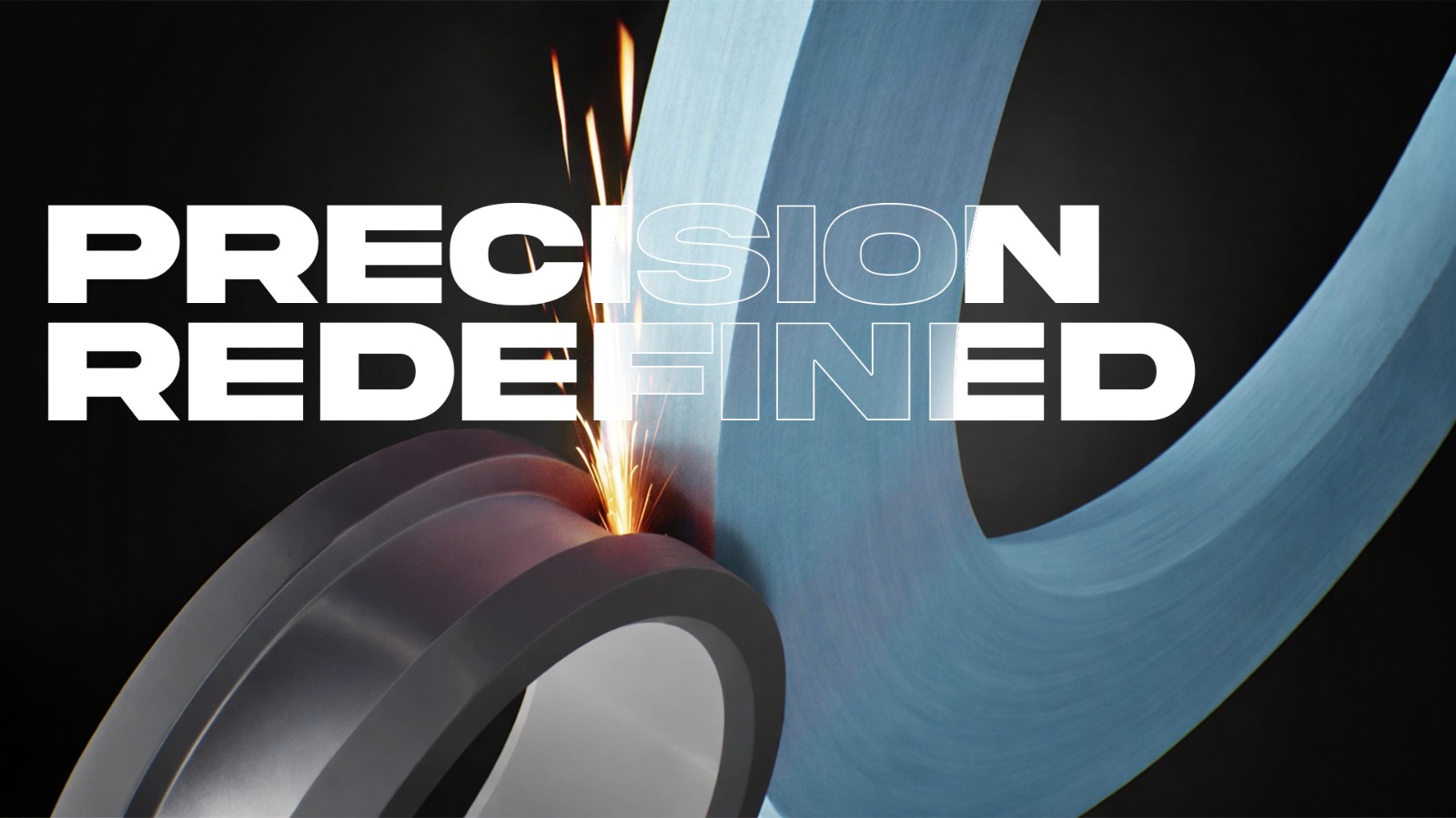
Watch this video – https://youtu.be/OXCnyy-CpVg?si=23UnuS_v9vXEBoHp how CUMI delivers high-precision Bearing grinding
Precision in bearing grinding is achieved through engineered grain, bond, and process control
The video establishes that high-precision bearing manufacturing depends on how abrasive grain, bond technology, and wheel behavior work together. Every stage—from grinding to super finishing—is designed to maintain dimensional accuracy, surface integrity, and process consistency.
This combination ensures the following:
- Controlled material removal
- Consistent surface finish
- Stable performance across production cycles
Face grinding of rings enables free cutting action with controlled wheel wear
Face grinding for bearing rings is shown as a process where advanced grain-bond engineering supports free-cutting behavior.
This results in:
- Reduced cutting resistance
- Higher parts per dressing cycle
- Consistent grinding performance
Controlled wheel wear is critical to maintaining uniform output without frequent interruptions.
Centerless grinding improves geometry control and stock removal for rings and rollers
The video highlights centerless grinding as a key process for both rings and rollers.
With high-performance grain-bond systems:
- Higher stock removal rates are achieved
- Geometry remains consistent across components
- Precision is maintained even at high throughput
This balance between removal rate and accuracy is essential for bearing performance and reliability.
Track grinding delivers cooler cutting and stable form retention
Track grinding is designed to ensure cooler cutting conditions using next-generation bond technology.
This enables:
- Reduced thermal impact
- Stable wear characteristics
- Better form retention during operation
Maintaining form accuracy throughout grinding ensures that component geometry remains within tolerance.
Internal grinding improves finish and reduces cycle time through extended dressing intervals
Internal grinding in the video shows how nano-engineered grains enable clean, controlled cutting behavior.
Key advantages:
- Longer dressing intervals
- Reduced cycle time
- Improved surface finish and ovality control
Consistent wheel behavior ensures predictable results across production batches.
Super finishing delivers ultra-smooth surfaces and tight tolerance control
Super finishing is presented as the final refinement stage that enhances surface quality beyond grinding.
This stage ensures:
- Ultra-low surface roughness
- Improved lubrication performance
- Tight tolerance control
These factors directly contribute to longer bearing life and reduced operational noise.
Roller grinding combines profile accuracy with high surface quality
For rollers, both centerless and face grinding processes are used to achieve the following:
- Accurate roller profiles
- Consistent surface finish
- Stable form retention
Modern bond formulations support efficient material removal while maintaining precision.
Ball grinding and lapping ensure consistency and cost efficiency
Ball grinding uses specialized processes to maintain the following:
- Consistent material layer quality
- Uniform geometry across balls
Ball lapping further improves the following:
- Surface finish
- Product consistency
- Productivity through efficient removal rates
Extended wheel life also reduces cost per component.
Grinding wheel technology directly drives productivity and precision
Across all processes, the video reinforces that grinding wheels are engineered for:
- Stable wear behavior
- High-performance cutting action
- Longer operational life
Grain structure and bond technology determine:
- Cutting efficiency
- Surface quality
- Process reliability
Precision grinding solutions support critical industries worldwide
The grinding processes demonstrated are used across the following:
- Automotive
- Aerospace
- Medical devices
- Industrial machinery
In these sectors, precision is critical because it affects:
- Performance
- Safety
- Reliability
Practical Takeaways from the Video
- Grain and bond engineering define grinding performance
- Controlled wheel wear improves productivity
- Heat management is critical for accuracy
- Superfinishing is essential for final performance
- Process consistency ensures repeatable quality