India 
India
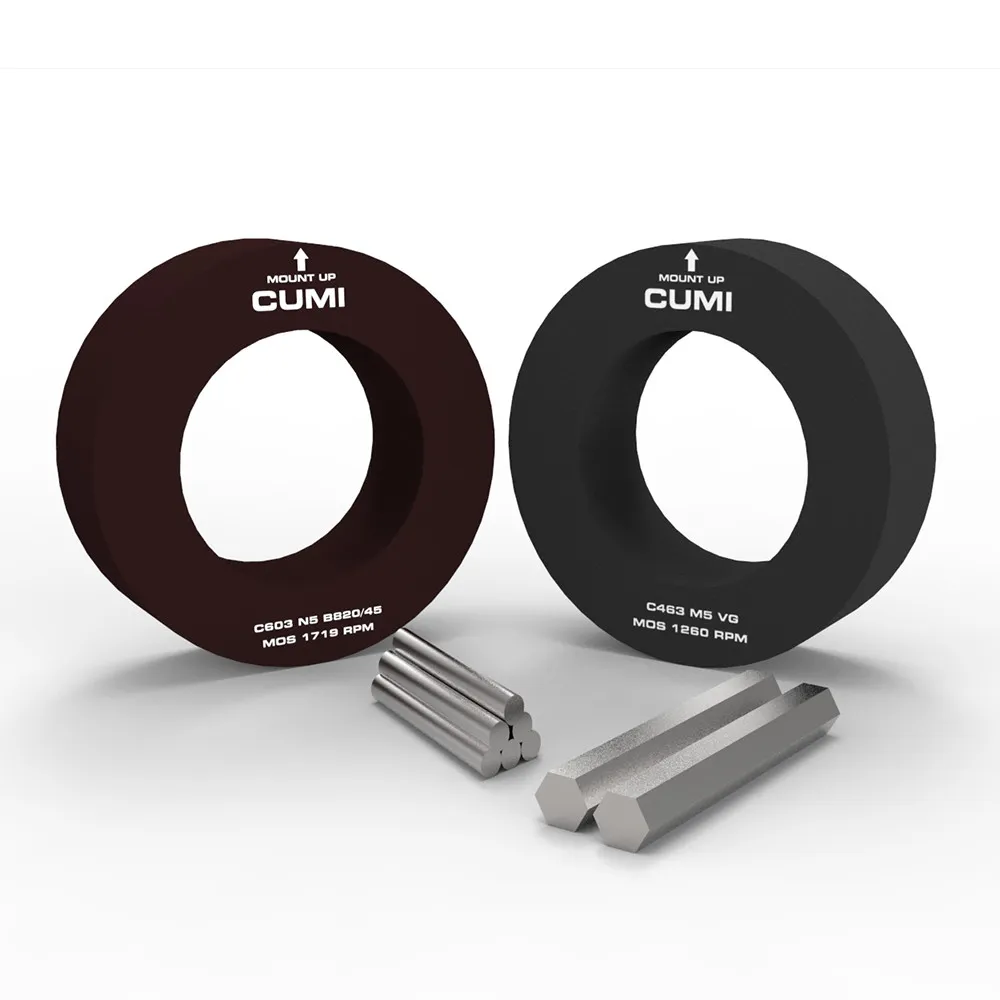

Information Material:
| Type | Operation | Speed | Good | Better | Best |
|---|---|---|---|---|---|
| BRIGHT BAR | Rough | 35 | DA463 L5 V600 | C/G463 M5 VPZ | C463 M5 VG |
| 50 | - | CA60 J5 B99S/50 | 1CUMISA463 N5 B820/50 | ||
| Finish | 35 | DA60 L5 V600 | C601 M5 VG | - | |
| 50 |
C603 N5 B820/50 CA60 J5 B99S/50 |
1CUMISA603 N5 B820/50 |
| CUMI Code | Grit Range | Diameter | Thickness | Hardness | Structure | Speed | ||
| (mm) | (Inch) | (mm) | (Inch) | (mps) | ||||
| CUMISA | 46 - 120 | 350 - 610 | 14 - 24 | 100 - 250 | 4 - 10 | I - N | 6 & 8 | 35, 50 & 63 |
| 50A / 50MA | 46 - 120 | I - N | 7 | 35 & 50 | ||||
| 65A | 80 - 220 | L | - | 40 | ||||
| SA | 46 - 120 | I - N | 5 - 7 | 35 & 50 | ||||
| 9A | 46 - 120 | I - P | 5 - 7 | 35 & 50 | ||||
| SBA | 46 - 120 | I - P | 5 - 7 | 35 & 50 | ||||
| AA | 46 - 120 | I - P | 5 - 7 | 35 & 50 | ||||
| DA | 46 - 120 | 100 - 300 | 4 - 12 | I - P | 5 - 7 | 35 & 50 | ||
| A | 46 - 120 | I - P | 5 - 7 | 35 & 50 | ||||
| C | 46 - 120 | I - N | 5 - 7 | 35 & 50 | ||||
| GC | 46 - 120 | I - N | 5 - 7 | 35 & 50 | ||||
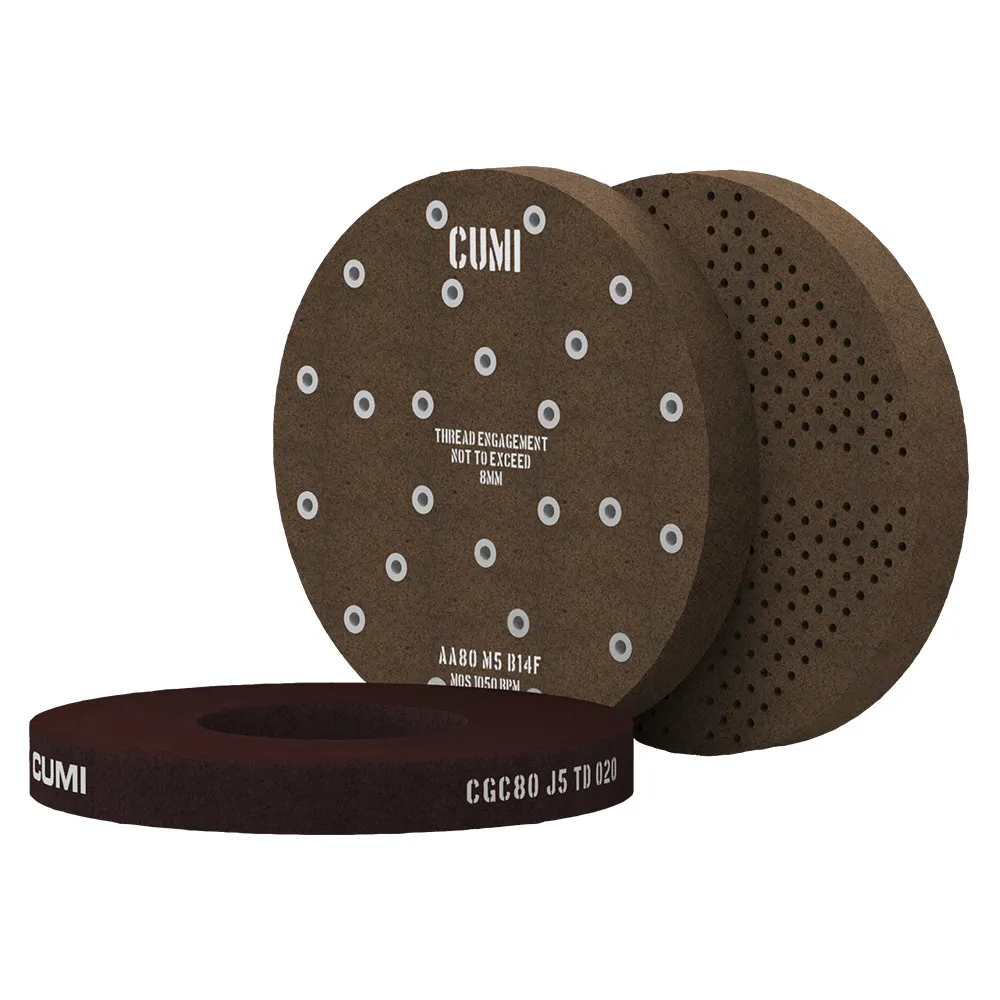
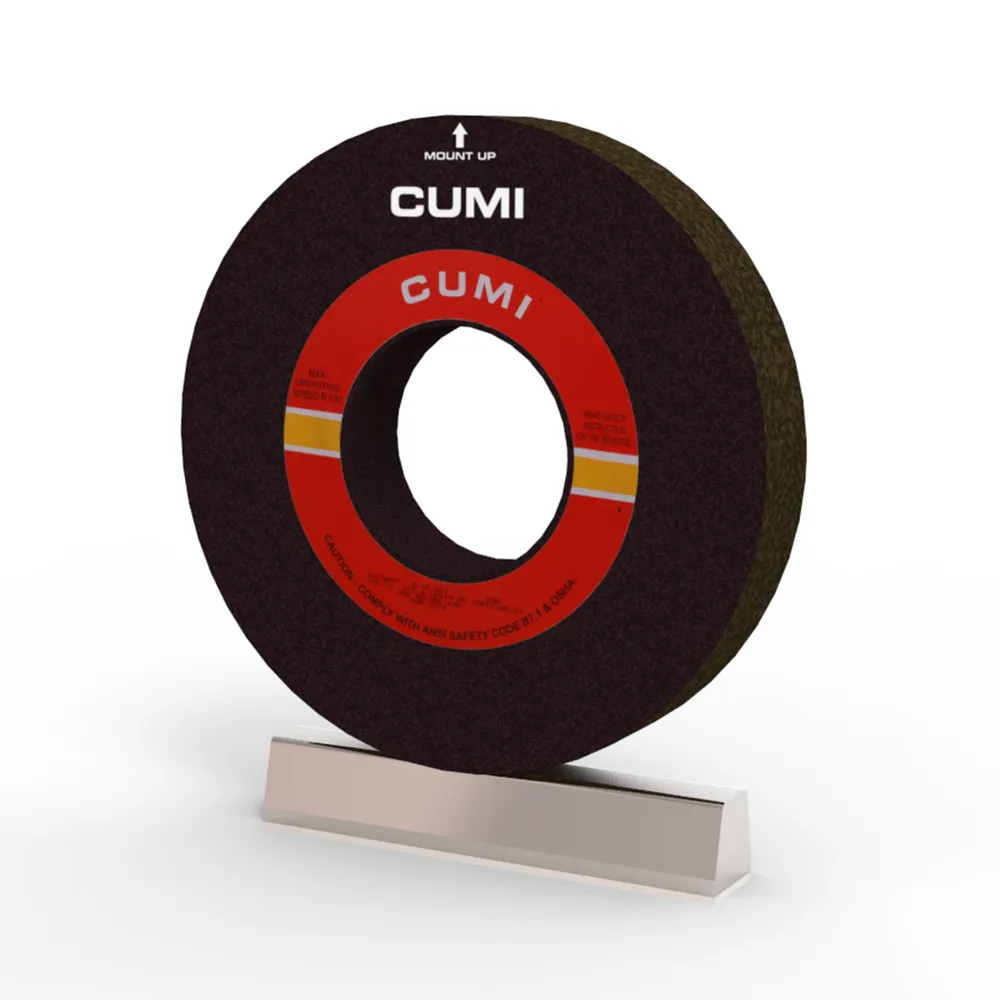
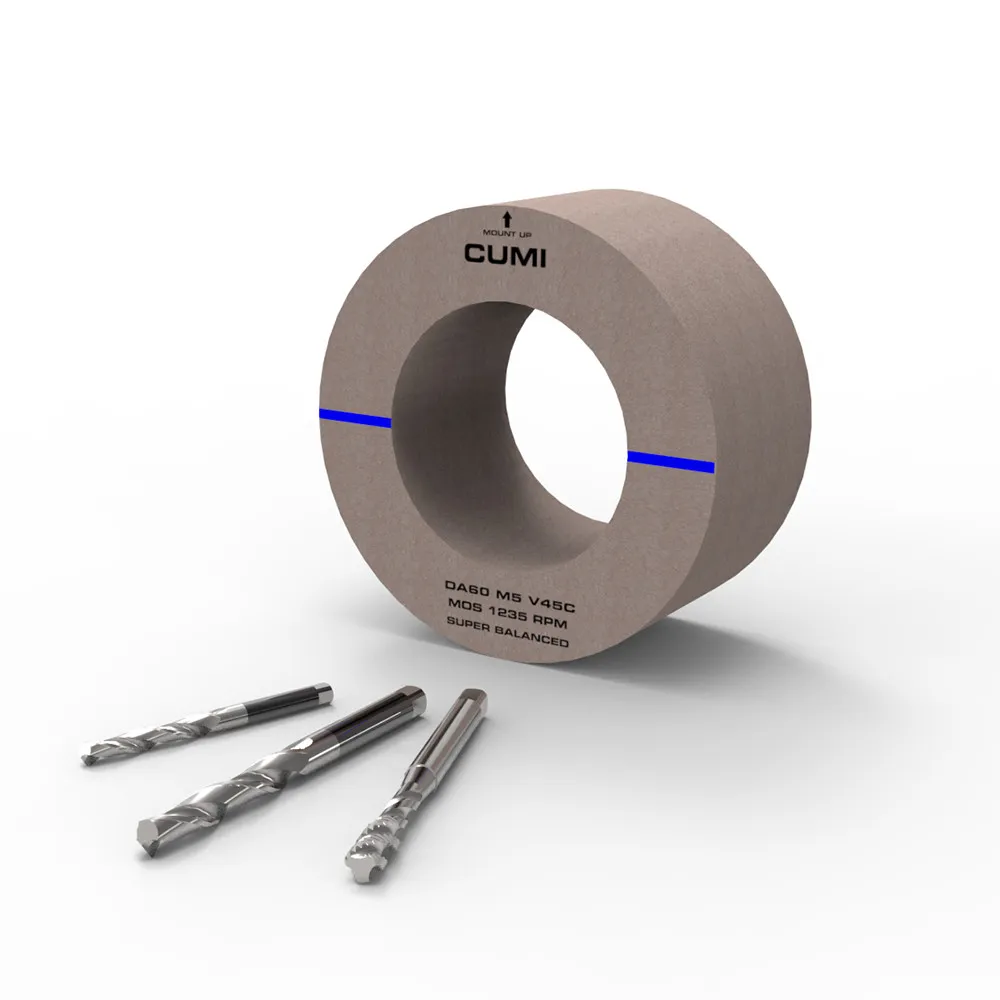
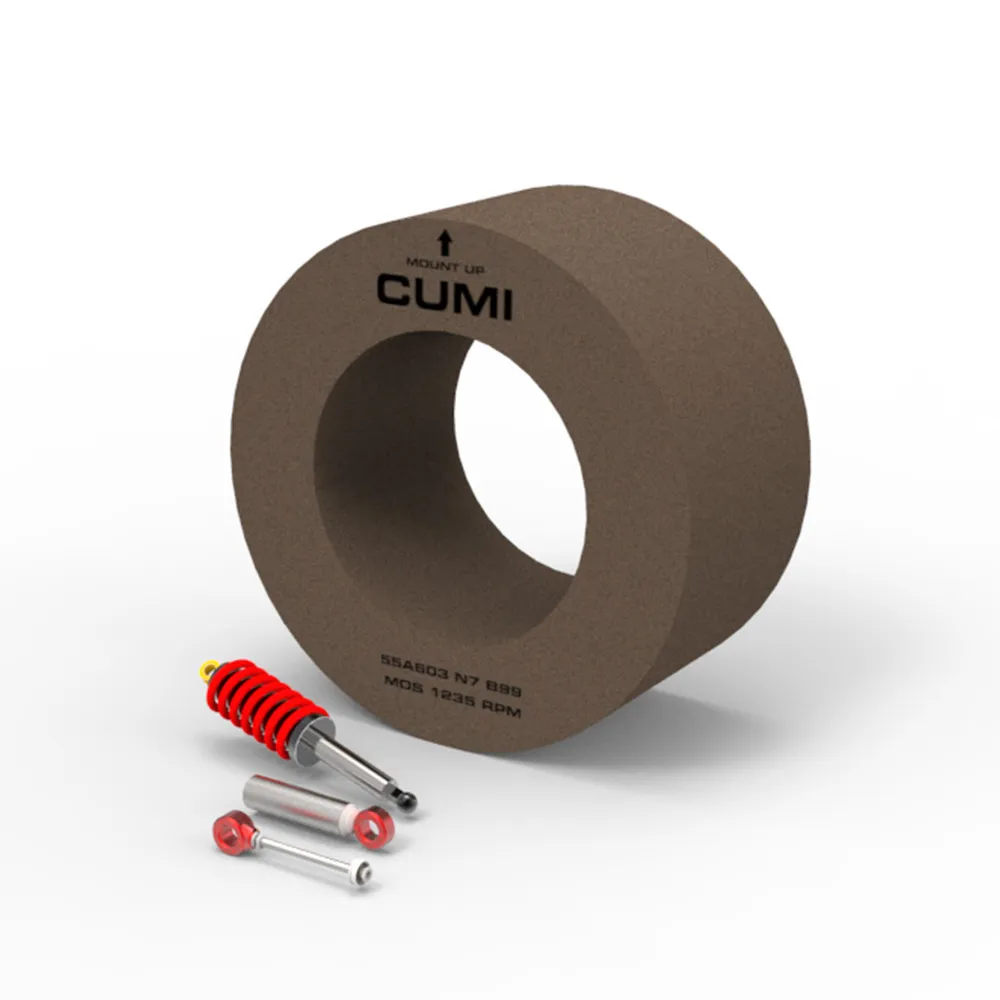
The CUMI Centerless Grinding Wheel for Bright Bars is engineered for steel plants, shaft manufacturers, precision rod suppliers, and machining units where dimensional accuracy and surface finish are critical. Designed using advanced vitrified, resin & rubber bond formulations, it ensures uniform grinding even when multiple wheels are mounted on a single spindle.
Built to handle through-feed, in-feed, and end-feed bright bar grinding, the wheel maintains geometry across its life—reducing dressing frequency and improving output consistency. The result: smoother bars, reduced taper, excellent roundness, and improved downstream machinability.
Through-Feed vs. In-Feed vs. End-Feed Centerless Grinding:
Tolerance & Quality Outcomes: Placeholder — quantify roundness, taper, or surface finish improvement if data exists; otherwise mark as info required from product/technical team.
Pricing & Enquiry: For the current price of this product, please contact CUMI directly or reach out to your nearest authorised dealer, as pricing depends on order quantity, dealer location, and applicable taxes. To get a quote or enquire about bulk pricing, visit the Contact Us or connect with a CUMI distributor in your region.



Adding {{itemName}} to cart
Added {{itemName}} to cart